Meconium Aspiration Syndrome in Newborns: Causes, Symptoms, Diagnosis, and Treatment
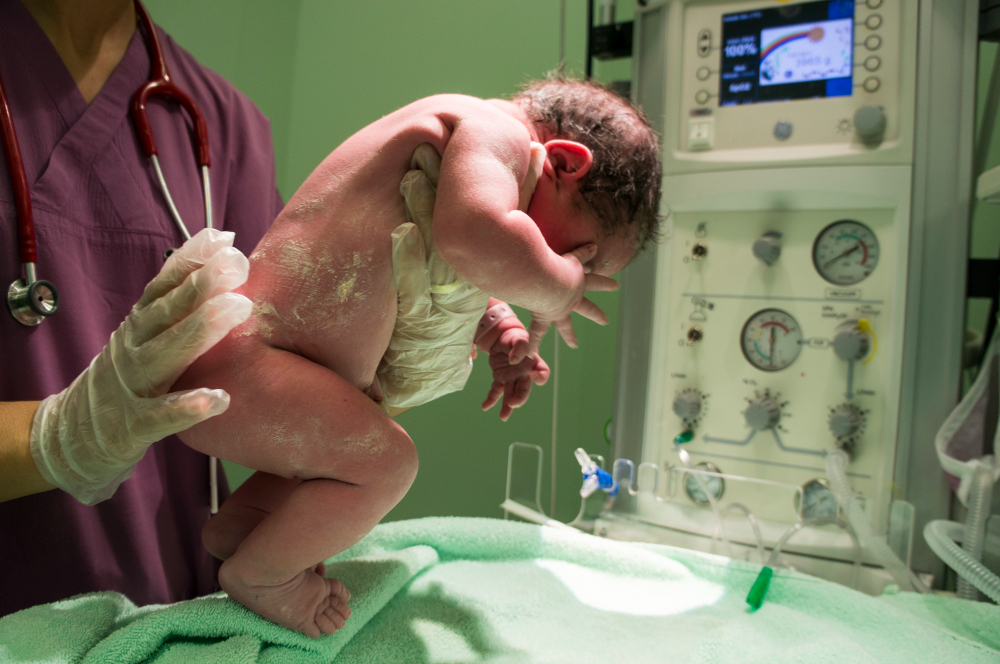
Meconium aspiration syndrome is a serious breathing problem that can affect newborns. It happens when a baby breathes in meconium, which is the first stool, before or during birth. Because this condition can cause trouble with breathing, it is important for parents to know the signs and seek help quickly. In this blog, we will explain what meconium aspiration syndrome is, its causes, symptoms, diagnosis, and treatment. We will also share tips for prevention and answer common questions about this birth complication. What is Meconium Aspiration Syndrome? Meconium aspiration syndrome, often called MAS, is a condition that affects some newborns. It occurs when a baby breathes in a mix of meconium and amniotic fluid into the lungs before, during, or right after birth. Meconium is the thick, greenish-black stool that babies pass for the first time. Usually, babies pass meconium after birth. However, sometimes stress during labor causes a baby to release meconium before birth. If the baby then inhales this mixture, it can block the airways and make it hard to breathe. This can lead to serious newborn breathing problems and may require special neonatal care. Causes of Meconium Aspiration Syndrome There are several reasons why a newborn might develop meconium aspiration syndrome. Understanding these causes can help parents and caregivers take steps to lower the risk. Common causes include: Fetal distress: When a baby is stressed during labor, it may pass meconium into the amniotic fluid. Post-term pregnancy: Babies born after 40 weeks are more likely to pass meconium before birth. Long or difficult labor: Prolonged labor can increase the risk of meconium release. Maternal health problems: Conditions like high blood pressure or diabetes in the mother can raise the risk. Low oxygen levels: If the baby does not get enough oxygen before or during birth, meconium may be passed early. Symptoms and Signs Parents should watch for these symptoms and signs of meconium aspiration syndrome in newborns: Fast or difficult breathing Grunting sounds while breathing Bluish skin color, especially around the lips or face Flared nostrils Chest retractions (skin pulls in between the ribs when breathing) Weak cry or limpness Diagnosis Doctors use several methods to diagnose meconium aspiration syndrome. First, they check the baby’s breathing and skin color right after birth. If the baby shows signs of trouble, the doctor may listen to the lungs with a stethoscope. In addition, a chest X-ray can help show if meconium is in the lungs. Sometimes, doctors use blood tests to check oxygen levels. Early diagnosis is important because it helps start treatment quickly and reduces the risk of complications. Treatment Options Treatment for meconium aspiration syndrome depends on how severe the symptoms are. Most babies need special care in a neonatal intensive care unit (NICU). Common treatments include: Oxygen therapy to help the baby breathe easier Suctioning the airways to remove meconium, if needed Mechanical ventilation (a breathing machine) for severe cases Antibiotics to prevent or treat infection Supportive care, such as keeping the baby warm and monitoring vital signs With prompt treatment, most babies recover well. However, some may need longer care if breathing problems continue. Prevention and Parental Guidance While not all cases can be prevented, there are steps parents and healthcare providers can take to lower the risk of meconium aspiration syndrome: Attend regular prenatal check-ups to monitor the baby’s health Report any changes in the baby’s movements to your doctor Follow your doctor’s advice for managing health conditions like high blood pressure or diabetes Discuss birth plans and possible risks with your healthcare team Ensure skilled medical staff are present during delivery, especially if the pregnancy is post-term or high-risk By staying informed and working closely with your healthcare provider, you can help protect your newborn from birth complications. When to Seek Medical Help If your newborn shows any signs of breathing problems, seek medical help right away. Warning signs include: Fast or labored breathing Bluish skin or lips Weakness or limpness Poor feeding or lack of interest in feeding Early treatment can prevent serious complications and help your baby recover faster. Never hesitate to contact your doctor if you are worried about your baby’s health. Frequently Asked Questions (FAQs) Can meconium aspiration syndrome be cured? Yes, with prompt treatment, most babies recover fully from meconium aspiration syndrome. However, some may need extra care in the hospital for a few days or weeks. Is meconium aspiration syndrome common in the United States? Meconium aspiration syndrome affects about 2 to 5 out of every 1,000 newborns in the United States, according to the CDC. It is more common in post-term and high-risk pregnancies. Does meconium aspiration syndrome cause long-term problems? Most babies do not have long-term problems if they receive quick and proper treatment. In rare cases, severe cases can lead to ongoing breathing issues, but this is uncommon. How can I lower my baby’s risk? Regular prenatal care, managing health conditions, and delivering in a well-equipped hospital can help lower the risk of meconium aspiration syndrome. What should I do if I notice symptoms at home? If your newborn has trouble breathing, turns blue, or seems weak, seek emergency medical care right away. Quick action can save your baby’s life. If you suspect your newborn may have meconium aspiration syndrome, consult a pediatric specialist at Care Well Hospital for personalized care and guidance.
Preventive Health Checkups in Children: Importance, Schedule, and What to Expect
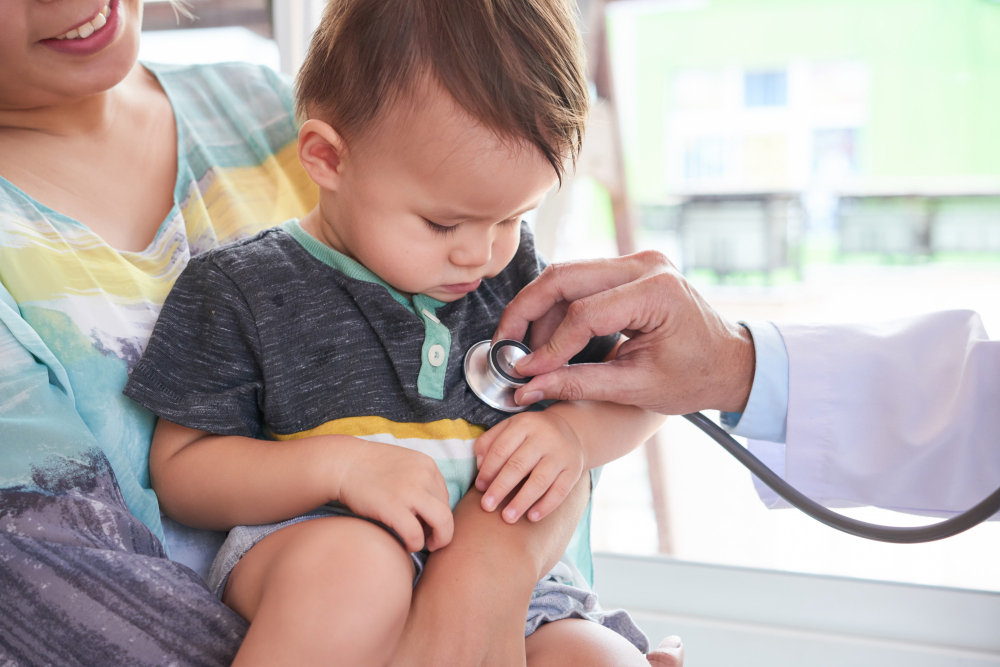
Preventive health checkups in children are regular visits to the doctor to keep your child healthy. These visits, also called child wellness visits or routine pediatric checkups, help spot health problems early. In fact, pediatric preventive care can catch issues before they become serious. During these checkups, doctors track growth, give vaccines, and answer your questions. Because early care is best, regular visits are important for every child. What Are Preventive Health Checkups in Children? Preventive health checkups in children are planned doctor visits, not just for sickness. Instead, these visits focus on keeping your child healthy. During each visit, the doctor checks your child’s growth and development. Also, they make sure your child gets needed vaccines. These visits are a key part of pediatric preventive care. Key parts of a preventive health checkup include: Tracking height, weight, and head size Checking vision and hearing Giving immunizations (vaccines) Screening for development and behavior Reviewing nutrition and sleep habits Discussing safety at home and school Why Are Preventive Health Checkups Important? Preventive health checkups offer many benefits for children. For example, these visits help find health issues early. Also, they keep your child’s vaccines up to date. Most importantly, they give parents a chance to ask questions and learn about healthy habits. Some key benefits include: Early detection of health problems Timely vaccinations to prevent diseases Tracking growth and development Guidance on nutrition, sleep, and safety Building trust with your child’s doctor Support for mental and emotional health According to the CDC and WHO, regular checkups are vital for a child’s well-being. Recommended Schedule for Pediatric Checkups The CDC and WHO suggest a set schedule for child wellness visits. Early visits are more frequent, then become yearly as your child grows. Following this schedule helps catch problems early and keeps vaccines on track. Typical checkup schedule: First week after birth 1 month 2 months 4 months 6 months 9 months 12 months (1 year) 15 months 18 months 24 months (2 years) Yearly from age 3 to 18 Your doctor may suggest extra visits if needed. Always follow your pediatrician’s advice for the best care. What to Expect During a Pediatric Preventive Visit During a preventive health checkup, the doctor will check your child’s height, weight, and vital signs. Next, they may do a physical exam and ask about your child’s eating, sleeping, and behavior. Also, your child may get vaccines if needed. The doctor will answer your questions and offer advice for healthy growth. To prepare for the visit: Bring your child’s vaccine record Write down any questions or concerns Note changes in your child’s health or habits Bring a favorite toy or snack for comfort Because each visit is different, ask your doctor what to expect ahead of time. How to Make the Most of Your Child’s Checkup To get the most from each checkup, come prepared. For instance, write down questions about your child’s health. Also, share any changes you have noticed. The doctor can help with topics like nutrition, sleep, or school concerns. Questions you might ask include: Is my child’s growth on track? Are all vaccines up to date? How can I help my child eat better? What should I watch for as my child grows? How much sleep does my child need? Are there safety tips for home or school? Remember, your doctor is there to help. Do not hesitate to ask anything on your mind. Prevention and Healthy Habits Besides checkups, healthy habits are key for your child’s well-being. For example, offer a balanced diet with fruits, vegetables, and whole grains. Encourage daily physical activity, like playing outside or joining sports. Also, set a regular sleep schedule to help your child rest well. Teach good hygiene, such as handwashing, to prevent illness. Because healthy habits start early, your guidance makes a big difference. Schedule regular preventive health checkups with Care Well Hospital for your child’s personalized care and peace of mind.
Why Newborns Need Breastmilk (Even a Few Drops!) – Emphasize Colostrum

Breastmilk is the best first food for newborns. In fact, even a few drops can make a big difference. The first milk, called colostrum, is packed with nutrients and antibodies. Because of this, experts stress the importance of early breastfeeding. Understanding why newborns need breastmilk, especially colostrum, can help parents make informed choices. Let’s explore why these first drops matter so much. What Is Colostrum? Colostrum is the thick, yellowish milk produced in the first few days after birth. It is often called “liquid gold” because of its rich nutrients. Unlike regular breastmilk, colostrum is made in small amounts. However, it is full of proteins, vitamins, and antibodies. These help protect your baby from infections right from the start. According to the World Health Organization (WHO), colostrum is the ideal first food for newborns. Why Is Colostrum Important for Newborns? Colostrum is vital for a newborn’s health. First, it helps build a strong immune system. Because it contains antibodies, it protects babies from germs and illnesses. Also, colostrum acts as a natural laxative. This helps your baby pass their first stool, called meconium. As a result, it reduces the risk of jaundice. The Centers for Disease Control and Prevention (CDC) also highlight the benefits of colostrum for newborns. Key Benefits of Even a Few Drops of Breastmilk Boosts your baby’s immune system with antibodies Helps prevent infections and illnesses Supports healthy gut development Provides easy-to-digest nutrition Reduces the risk of allergies and asthma later in life Promotes bonding between mother and baby Even a few drops of breastmilk can offer these benefits. Therefore, early breastfeeding is very important for your baby’s health. How Breastmilk Supports Early Development Breastmilk is perfectly designed for newborns. Not only does it provide the right balance of nutrients, but it also changes to meet your baby’s needs. For example, colostrum is high in protein and low in sugar. This helps newborns grow and develop in the first days. As your milk changes, it continues to support brain and body growth. Because of this, experts recommend exclusive breastfeeding for the first six months. Tips for New Mothers on Breastfeeding Start breastfeeding within the first hour after birth Feed your baby often, at least 8–12 times a day Look for signs your baby is hungry, like sucking or rooting Ask for help from nurses or lactation consultants if needed Stay hydrated and eat a balanced diet Remember, every drop of breastmilk counts With support and practice, breastfeeding can become easier. If you have concerns, reach out to a healthcare provider. Common Myths About Colostrum and Breastfeeding Myth: Colostrum is not enough for the baby. Fact: Colostrum is all your baby needs in the first days. Myth: You should wait for your milk to “come in.” Fact: Early breastfeeding with colostrum is very important. Myth: Formula is just as good as breastmilk. Fact: Breastmilk, especially colostrum, has unique benefits formula cannot match. Myth: If you produce only a few drops, it’s not worth it. Fact: Even a few drops of breastmilk provide powerful protection. Knowing the facts can help you make the best choice for your baby. When to Seek Medical Advice Sometimes, breastfeeding can be challenging. If your baby is not feeding well, seems very sleepy, or has fewer than six wet diapers a day, talk to your doctor. Also, if you have pain, cracked nipples, or concerns about your milk supply, seek help. Early support can make a big difference. Remember, lactation consultants and pediatricians are there to help you and your baby thrive. For personalized breastfeeding guidance, consult a pediatrician or lactation specialist at Care Well Hospital. Your baby’s health and your comfort matter.
Why Newborns Need Breastmilk (Even a Few Drops!) – Emphasize Colostrum

Breastmilk is the best first food for newborns. In fact, even a few drops can make a big difference. The first milk, called colostrum, is packed with nutrients and antibodies. Because of this, experts stress the importance of early breastfeeding. Understanding why newborns need breastmilk, especially colostrum, can help parents make informed choices. Let’s explore why these first drops matter so much. What Is Colostrum? Colostrum is the thick, yellowish milk produced in the first few days after birth. It is often called “liquid gold” because of its rich nutrients. Unlike regular breastmilk, colostrum is made in small amounts. However, it is full of proteins, vitamins, and antibodies. These help protect your baby from infections right from the start. According to the World Health Organization (WHO), colostrum is the ideal first food for newborns. Why Is Colostrum Important for Newborns? Colostrum is vital for a newborn’s health. First, it helps build a strong immune system. Because it contains antibodies, it protects babies from germs and illnesses. Also, colostrum acts as a natural laxative. This helps your baby pass their first stool, called meconium. As a result, it reduces the risk of jaundice. The Centers for Disease Control and Prevention (CDC) also highlight the benefits of colostrum for newborns. Key Benefits of Even a Few Drops of Breastmilk Boosts your baby’s immune system with antibodies Helps prevent infections and illnesses Supports healthy gut development Provides easy-to-digest nutrition Reduces the risk of allergies and asthma later in life Promotes bonding between mother and baby Even a few drops of breastmilk can offer these benefits. Therefore, early breastfeeding is very important for your baby’s health. How Breastmilk Supports Early Development Breastmilk is perfectly designed for newborns. Not only does it provide the right balance of nutrients, but it also changes to meet your baby’s needs. For example, colostrum is high in protein and low in sugar. This helps newborns grow and develop in the first days. As your milk changes, it continues to support brain and body growth. Because of this, experts recommend exclusive breastfeeding for the first six months. Tips for New Mothers on Breastfeeding Start breastfeeding within the first hour after birth Feed your baby often, at least 8–12 times a day Look for signs your baby is hungry, like sucking or rooting Ask for help from nurses or lactation consultants if needed Stay hydrated and eat a balanced diet Remember, every drop of breastmilk counts With support and practice, breastfeeding can become easier. If you have concerns, reach out to a healthcare provider. Common Myths About Colostrum and Breastfeeding Myth: Colostrum is not enough for the baby. Fact: Colostrum is all your baby needs in the first days. Myth: You should wait for your milk to “come in.” Fact: Early breastfeeding with colostrum is very important. Myth: Formula is just as good as breastmilk. Fact: Breastmilk, especially colostrum, has unique benefits formula cannot match. Myth: If you produce only a few drops, it’s not worth it. Fact: Even a few drops of breastmilk provide powerful protection. Knowing the facts can help you make the best choice for your baby. When to Seek Medical Advice Sometimes, breastfeeding can be challenging. If your baby is not feeding well, seems very sleepy, or has fewer than six wet diapers a day, talk to your doctor. Also, if you have pain, cracked nipples, or concerns about your milk supply, seek help. Early support can make a big difference. Remember, lactation consultants and pediatricians are there to help you and your baby thrive. For personalized breastfeeding guidance, consult a pediatrician or lactation specialist at Care Well Hospital. Your baby’s health and your comfort matter.
Preventing Flu in Kids: Essential Tips for Parents and Caregivers

What Is the Flu? The flu, also called influenza, is a common viral infection. It spreads easily from person to person. Preventing flu in kids is important because the flu can make children very sick. The flu virus mainly attacks the nose, throat, and sometimes the lungs. According to the CDC, flu season usually starts in the fall and lasts through spring. Why Kids Are at Risk Children are more likely to catch the flu than adults. Their immune systems are still growing. Also, kids often play close together and may forget to wash their hands. Because of this, germs spread quickly in schools and daycare centers. Young children, especially those under five, can get very sick from the flu. Some may even need to go to the hospital. Common Symptoms of Flu in Children Flu symptoms in kids can appear suddenly. While some signs are mild, others can be serious. Watch for these common symptoms: Fever or chills Cough and sore throat Runny or stuffy nose Body aches or headaches Tiredness or weakness Sometimes, vomiting or diarrhea Not every child will have all these symptoms. However, if your child seems very ill, seek help right away. Proven Strategies to Prevent Flu in Kids There are several ways to lower your child’s risk of getting the flu. Here are proven strategies for flu prevention for children: Flu vaccine for kids: The CDC and WHO recommend yearly flu shots for everyone over six months old. Vaccination is the best way to protect kids from the flu. Good hand hygiene: Teach kids to wash their hands often with soap and water. If soap is not available, use hand sanitizer. Healthy nutrition: A balanced diet helps boost the immune system. Offer fruits, vegetables, and plenty of water. Avoiding sick contacts: Keep children away from people who are sick. If your child is ill, keep them home from school. By following these steps, you can help protect your child from the flu. Home and School Prevention Tips Besides vaccination and hygiene, there are more ways to stop the flu from spreading at home and school. Consider these tips: Clean and disinfect surfaces often, especially toys and doorknobs. Encourage kids to cover coughs and sneezes with a tissue or elbow. Remind children not to touch their face, especially eyes, nose, and mouth. Make sure your child gets enough sleep each night. Teach kids to use their own cups and utensils, not to share with others. With these habits, you can lower the risk of flu at home and in school settings. When to Seek Medical Help Most children recover from the flu at home. However, some signs mean you should call your doctor right away. Watch for: Fast or troubled breathing Bluish lips or face Severe chest pain High fever that does not go down Dehydration (no tears when crying, not peeing) Seizures or confusion If you notice any of these, seek medical help quickly. Early treatment can prevent serious problems. Frequently Asked Questions (FAQs) Can my child get the flu even after vaccination? Yes, but the flu vaccine for kids lowers the risk. If your child does get sick, symptoms are often milder. How can I protect kids from flu at school? Teach them to wash hands, cover coughs, and avoid sharing items. Also, make sure they get the flu shot each year. Is the flu dangerous for all children? Most healthy kids recover well. However, children under five or with health problems can get very sick. What should I do if someone in the house has the flu? Keep the sick person away from others. Clean surfaces often and remind everyone to wash hands. Conclusion Preventing flu in kids is possible with the right steps. Get your child vaccinated, teach good hygiene, and watch for symptoms. If you have concerns, consult your pediatrician Dr. Sachin Nikam at Care Well Hospital for personalized advice on flu prevention for your child.
Preventing Flu in Kids: Essential Tips for Parents and Caregivers

What Is the Flu? The flu, also called influenza, is a common viral infection. It spreads easily from person to person. Preventing flu in kids is important because the flu can make children very sick. The flu virus mainly attacks the nose, throat, and sometimes the lungs. According to the CDC, flu season usually starts in the fall and lasts through spring. Why Kids Are at Risk Children are more likely to catch the flu than adults. Their immune systems are still growing. Also, kids often play close together and may forget to wash their hands. Because of this, germs spread quickly in schools and daycare centers. Young children, especially those under five, can get very sick from the flu. Some may even need to go to the hospital. Common Symptoms of Flu in Children Flu symptoms in kids can appear suddenly. While some signs are mild, others can be serious. Watch for these common symptoms: Fever or chills Cough and sore throat Runny or stuffy nose Body aches or headaches Tiredness or weakness Sometimes, vomiting or diarrhea Not every child will have all these symptoms. However, if your child seems very ill, seek help right away. Proven Strategies to Prevent Flu in Kids There are several ways to lower your child’s risk of getting the flu. Here are proven strategies for flu prevention for children: Flu vaccine for kids: The CDC and WHO recommend yearly flu shots for everyone over six months old. Vaccination is the best way to protect kids from the flu. Good hand hygiene: Teach kids to wash their hands often with soap and water. If soap is not available, use hand sanitizer. Healthy nutrition: A balanced diet helps boost the immune system. Offer fruits, vegetables, and plenty of water. Avoiding sick contacts: Keep children away from people who are sick. If your child is ill, keep them home from school. By following these steps, you can help protect your child from the flu. Home and School Prevention Tips Besides vaccination and hygiene, there are more ways to stop the flu from spreading at home and school. Consider these tips: Clean and disinfect surfaces often, especially toys and doorknobs. Encourage kids to cover coughs and sneezes with a tissue or elbow. Remind children not to touch their face, especially eyes, nose, and mouth. Make sure your child gets enough sleep each night. Teach kids to use their own cups and utensils, not to share with others. With these habits, you can lower the risk of flu at home and in school settings. When to Seek Medical Help Most children recover from the flu at home. However, some signs mean you should call your doctor right away. Watch for: Fast or troubled breathing Bluish lips or face Severe chest pain High fever that does not go down Dehydration (no tears when crying, not peeing) Seizures or confusion If you notice any of these, seek medical help quickly. Early treatment can prevent serious problems. Frequently Asked Questions (FAQs) Can my child get the flu even after vaccination? Yes, but the flu vaccine for kids lowers the risk. If your child does get sick, symptoms are often milder. How can I protect kids from flu at school? Teach them to wash hands, cover coughs, and avoid sharing items. Also, make sure they get the flu shot each year. Is the flu dangerous for all children? Most healthy kids recover well. However, children under five or with health problems can get very sick. What should I do if someone in the house has the flu? Keep the sick person away from others. Clean surfaces often and remind everyone to wash hands. Conclusion Preventing flu in kids is possible with the right steps. Get your child vaccinated, teach good hygiene, and watch for symptoms. If you have concerns, consult your pediatrician Dr. Sachin Nikam at Care Well Hospital for personalized advice on flu prevention for your child.
Key Vaccines Your Child Needs and Why
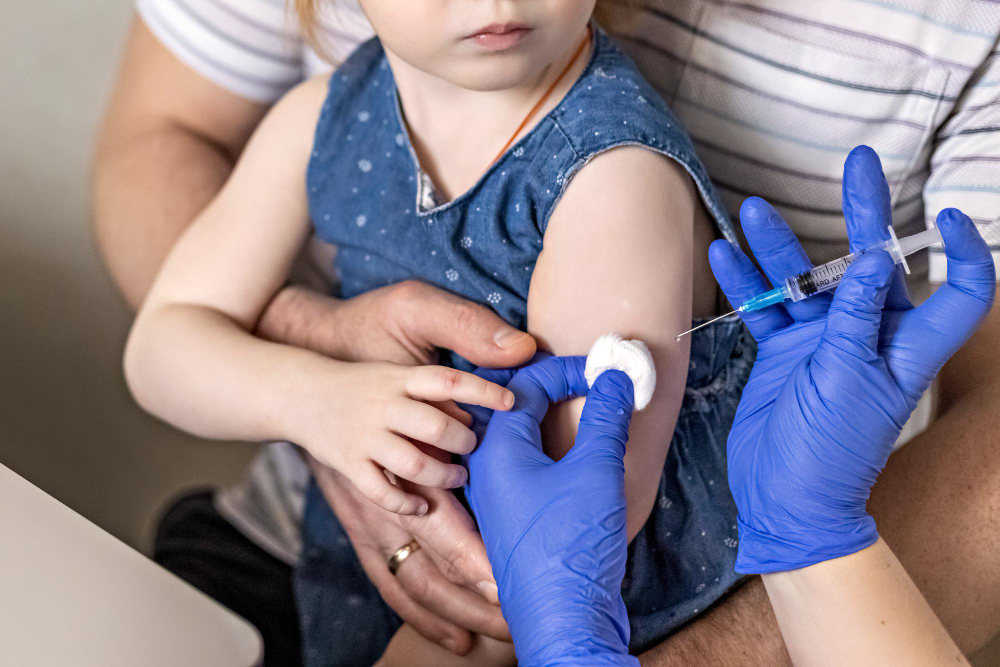
Vaccines protect children from serious diseases. They help keep your child healthy and safe. In this guide, we will explain the key vaccines your child needs and why they are important. We will also cover the childhood immunization schedule, vaccine safety for children, and the benefits of vaccinating children. Understanding these facts can help you make the best choices for your family. What Are Childhood Vaccines? Childhood vaccines are shots that help prevent certain diseases. These diseases can be dangerous or even deadly. For example, vaccines protect against measles, polio, and whooping cough. Most vaccines are given as a shot in the arm or leg. Some vaccines are given by mouth or nose. Doctors follow a set schedule to give these vaccines at the right ages. Why Are Vaccines Important for Children? Vaccines save lives. They stop children from getting sick with diseases that once caused many deaths. Because of vaccines, diseases like polio are now rare in many places. In addition, vaccines help protect people who cannot get shots, such as babies or those with weak immune systems. When more children get vaccinated, the whole community stays safer. List of Key Vaccines for Children Doctors follow the childhood immunization schedule. This schedule tells you when your child should get each vaccine. The U.S. Centers for Disease Control and Prevention (CDC) recommends these key vaccines: Hepatitis B (Birth, 1-2 months, 6-18 months): Protects against liver infection. Rotavirus (2, 4, 6 months): Prevents severe diarrhea and vomiting. Diphtheria, Tetanus, and Pertussis (DTaP) (2, 4, 6, 15-18 months, 4-6 years): Guards against three serious diseases. Haemophilus influenzae type b (Hib) (2, 4, 6, 12-15 months): Prevents brain and blood infections. Pneumococcal (PCV13) (2, 4, 6, 12-15 months): Protects against pneumonia and ear infections. Polio (IPV) (2, 4, 6-18 months, 4-6 years): Prevents paralysis caused by polio virus. Measles, Mumps, Rubella (MMR) (12-15 months, 4-6 years): Guards against three viral diseases. Varicella (Chickenpox) (12-15 months, 4-6 years): Prevents chickenpox. Hepatitis A (12-23 months, second dose 6 months later): Protects the liver. Influenza (Flu) (Yearly, starting at 6 months): Prevents the flu. COVID-19 (Age and dose depend on guidelines): Protects against COVID-19. Some vaccines may be given at different times based on your child’s health or travel needs. Always check with your doctor for the latest recommendations. How Vaccines Work: Basic Overview Vaccines teach the body to fight germs. They use tiny, safe parts of the germ or a weakened version. When your child gets a vaccine, their body learns to recognize the disease. Later, if your child is exposed, their body can fight it off quickly. As a result, your child stays healthy and avoids getting sick. Common Myths and Facts About Childhood Vaccines Many myths about vaccines are not true. Let’s look at some common ones: Myth: Vaccines cause autism. Fact: Many studies show vaccines do not cause autism. Experts agree vaccines are safe. Myth: Natural infection is better than vaccination. Fact: Getting sick can be dangerous. Vaccines protect without causing illness. Myth: Too many vaccines overwhelm the immune system. Fact: Children’s bodies handle many germs every day. Vaccines are a small, safe part of this. For more information, visit the CDC or WHO websites. Safety and Side Effects of Vaccines Vaccines are tested for safety before they are approved. Most side effects are mild and go away quickly. For example, your child may have a sore arm, mild fever, or redness where the shot was given. Serious side effects are very rare. If you have concerns, talk to your doctor about vaccine safety for children. How to Keep Track of Your Child’s Vaccination Schedule It is important to follow the childhood immunization schedule. Here are some tips to help you: Keep a vaccine record card for your child. Ask your doctor for a printed schedule. Set reminders for upcoming shots. Check with your school or daycare for required vaccines. Staying on track helps protect your child and others. Tips for Parents: Preparing for Vaccination Visits Getting ready for a vaccine visit can make things easier. Try these tips: Bring your child’s vaccine record to each visit. Talk to your child about what to expect. Comfort your child with a favorite toy or blanket. Ask your doctor any questions you have. Plan for some quiet time after the visit. These steps can help your child feel safe and calm. Prevention and Community Protection (Herd Immunity) When most people get vaccinated, diseases cannot spread easily. This is called herd immunity. It helps protect babies, older adults, and those who cannot get vaccines. Because of herd immunity, whole communities stay healthier. So, by vaccinating your child, you help protect others too. Vaccines are a safe and proven way to keep your child healthy. They also protect your family and community. Consult your pediatrician Dr. Sachin Nikam at Care Well Hospital to ensure your child receives all recommended vaccines on time.
Key Vaccines Your Child Needs and Why
Vaccines protect children from serious diseases. They help keep your child healthy and safe. In this guide, we will explain the key vaccines your child needs and why they are important. We will also cover the childhood immunization schedule, vaccine safety for children, and the benefits of vaccinating children. Understanding these facts can help you make the best choices for your family. What Are Childhood Vaccines? Childhood vaccines are shots that help prevent certain diseases. These diseases can be dangerous or even deadly. For example, vaccines protect against measles, polio, and whooping cough. Most vaccines are given as a shot in the arm or leg. Some vaccines are given by mouth or nose. Doctors follow a set schedule to give these vaccines at the right ages. Why Are Vaccines Important for Children? Vaccines save lives. They stop children from getting sick with diseases that once caused many deaths. Because of vaccines, diseases like polio are now rare in many places. In addition, vaccines help protect people who cannot get shots, such as babies or those with weak immune systems. When more children get vaccinated, the whole community stays safer. List of Key Vaccines for Children Doctors follow the childhood immunization schedule. This schedule tells you when your child should get each vaccine. The U.S. Centers for Disease Control and Prevention (CDC) recommends these key vaccines: Hepatitis B (Birth, 1-2 months, 6-18 months): Protects against liver infection. Rotavirus (2, 4, 6 months): Prevents severe diarrhea and vomiting. Diphtheria, Tetanus, and Pertussis (DTaP) (2, 4, 6, 15-18 months, 4-6 years): Guards against three serious diseases. Haemophilus influenzae type b (Hib) (2, 4, 6, 12-15 months): Prevents brain and blood infections. Pneumococcal (PCV13) (2, 4, 6, 12-15 months): Protects against pneumonia and ear infections. Polio (IPV) (2, 4, 6-18 months, 4-6 years): Prevents paralysis caused by polio virus. Measles, Mumps, Rubella (MMR) (12-15 months, 4-6 years): Guards against three viral diseases. Varicella (Chickenpox) (12-15 months, 4-6 years): Prevents chickenpox. Hepatitis A (12-23 months, second dose 6 months later): Protects the liver. Influenza (Flu) (Yearly, starting at 6 months): Prevents the flu. COVID-19 (Age and dose depend on guidelines): Protects against COVID-19. Some vaccines may be given at different times based on your child’s health or travel needs. Always check with your doctor for the latest recommendations. How Vaccines Work: Basic Overview Vaccines teach the body to fight germs. They use tiny, safe parts of the germ or a weakened version. When your child gets a vaccine, their body learns to recognize the disease. Later, if your child is exposed, their body can fight it off quickly. As a result, your child stays healthy and avoids getting sick. Common Myths and Facts About Childhood Vaccines Many myths about vaccines are not true. Let’s look at some common ones: Myth: Vaccines cause autism. Fact: Many studies show vaccines do not cause autism. Experts agree vaccines are safe. Myth: Natural infection is better than vaccination. Fact: Getting sick can be dangerous. Vaccines protect without causing illness. Myth: Too many vaccines overwhelm the immune system. Fact: Children’s bodies handle many germs every day. Vaccines are a small, safe part of this. For more information, visit the CDC or WHO websites. Safety and Side Effects of Vaccines Vaccines are tested for safety before they are approved. Most side effects are mild and go away quickly. For example, your child may have a sore arm, mild fever, or redness where the shot was given. Serious side effects are very rare. If you have concerns, talk to your doctor about vaccine safety for children. How to Keep Track of Your Child’s Vaccination Schedule It is important to follow the childhood immunization schedule. Here are some tips to help you: Keep a vaccine record card for your child. Ask your doctor for a printed schedule. Set reminders for upcoming shots. Check with your school or daycare for required vaccines. Staying on track helps protect your child and others. Tips for Parents: Preparing for Vaccination Visits Getting ready for a vaccine visit can make things easier. Try these tips: Bring your child’s vaccine record to each visit. Talk to your child about what to expect. Comfort your child with a favorite toy or blanket. Ask your doctor any questions you have. Plan for some quiet time after the visit. These steps can help your child feel safe and calm. Prevention and Community Protection (Herd Immunity) When most people get vaccinated, diseases cannot spread easily. This is called herd immunity. It helps protect babies, older adults, and those who cannot get vaccines. Because of herd immunity, whole communities stay healthier. So, by vaccinating your child, you help protect others too. Vaccines are a safe and proven way to keep your child healthy. They also protect your family and community. Consult your pediatrician Dr. Sachin Nikam at Care Well Hospital to ensure your child receives all recommended vaccines on time.