Preventive Health Checkups in Children: Importance, Schedule, and What to Expect
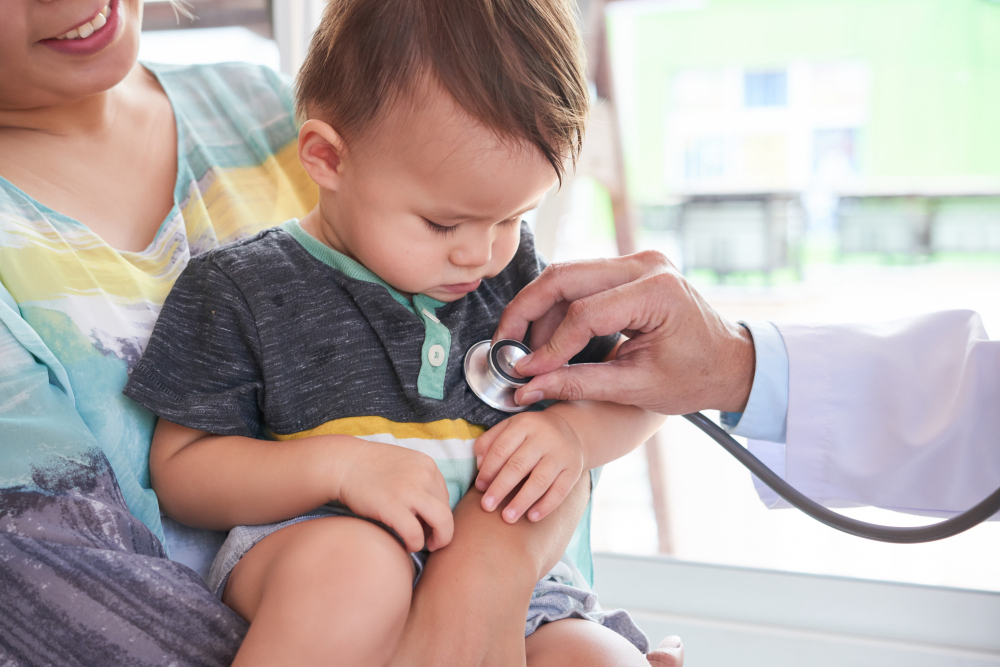
Preventive health checkups in children are regular visits to the doctor to keep your child healthy. These visits, also called child wellness visits or routine pediatric checkups, help spot health problems early. In fact, pediatric preventive care can catch issues before they become serious. During these checkups, doctors track growth, give vaccines, and answer your questions. Because early care is best, regular visits are important for every child. What Are Preventive Health Checkups in Children? Preventive health checkups in children are planned doctor visits, not just for sickness. Instead, these visits focus on keeping your child healthy. During each visit, the doctor checks your child’s growth and development. Also, they make sure your child gets needed vaccines. These visits are a key part of pediatric preventive care. Key parts of a preventive health checkup include: Tracking height, weight, and head size Checking vision and hearing Giving immunizations (vaccines) Screening for development and behavior Reviewing nutrition and sleep habits Discussing safety at home and school Why Are Preventive Health Checkups Important? Preventive health checkups offer many benefits for children. For example, these visits help find health issues early. Also, they keep your child’s vaccines up to date. Most importantly, they give parents a chance to ask questions and learn about healthy habits. Some key benefits include: Early detection of health problems Timely vaccinations to prevent diseases Tracking growth and development Guidance on nutrition, sleep, and safety Building trust with your child’s doctor Support for mental and emotional health According to the CDC and WHO, regular checkups are vital for a child’s well-being. Recommended Schedule for Pediatric Checkups The CDC and WHO suggest a set schedule for child wellness visits. Early visits are more frequent, then become yearly as your child grows. Following this schedule helps catch problems early and keeps vaccines on track. Typical checkup schedule: First week after birth 1 month 2 months 4 months 6 months 9 months 12 months (1 year) 15 months 18 months 24 months (2 years) Yearly from age 3 to 18 Your doctor may suggest extra visits if needed. Always follow your pediatrician’s advice for the best care. What to Expect During a Pediatric Preventive Visit During a preventive health checkup, the doctor will check your child’s height, weight, and vital signs. Next, they may do a physical exam and ask about your child’s eating, sleeping, and behavior. Also, your child may get vaccines if needed. The doctor will answer your questions and offer advice for healthy growth. To prepare for the visit: Bring your child’s vaccine record Write down any questions or concerns Note changes in your child’s health or habits Bring a favorite toy or snack for comfort Because each visit is different, ask your doctor what to expect ahead of time. How to Make the Most of Your Child’s Checkup To get the most from each checkup, come prepared. For instance, write down questions about your child’s health. Also, share any changes you have noticed. The doctor can help with topics like nutrition, sleep, or school concerns. Questions you might ask include: Is my child’s growth on track? Are all vaccines up to date? How can I help my child eat better? What should I watch for as my child grows? How much sleep does my child need? Are there safety tips for home or school? Remember, your doctor is there to help. Do not hesitate to ask anything on your mind. Prevention and Healthy Habits Besides checkups, healthy habits are key for your child’s well-being. For example, offer a balanced diet with fruits, vegetables, and whole grains. Encourage daily physical activity, like playing outside or joining sports. Also, set a regular sleep schedule to help your child rest well. Teach good hygiene, such as handwashing, to prevent illness. Because healthy habits start early, your guidance makes a big difference. Schedule regular preventive health checkups with Care Well Hospital for your child’s personalized care and peace of mind.
Colic in Babies: Why Babies Cry Excessively

What Is Colic in Babies? Colic in babies is a common condition. It means a healthy baby cries a lot for no clear reason. Usually, this crying lasts for more than three hours a day, at least three days a week, for three weeks or longer. Many parents in the US and around the world worry about why babies cry excessively. However, colic is not a disease. It does not cause long-term harm. Still, it can be stressful for families. Common Symptoms of Colic Babies with colic often show certain signs. Although every baby is different, you may notice: Long periods of intense crying, often in the evening Clenched fists or stiff arms and legs Red or flushed face during crying Pulling their legs up to their belly Difficulty calming down, even after feeding or changing Sometimes, babies pass gas or seem to have a swollen belly. But, these signs are not always present. Possible Causes of Excessive Crying Experts do not know the exact cause of colic. Still, several factors may play a role. For example, some babies may have trouble digesting certain foods. Others may be sensitive to light, noise, or new surroundings. In addition, some research suggests that a baby’s growing nervous system may make them cry more. However, colic is not caused by bad parenting or anything parents do wrong. How Colic Is Diagnosed Pediatricians diagnose colic based on the baby’s symptoms. There is no special test for colic. Instead, doctors ask about the baby’s crying patterns, feeding, and sleep. They also check for other health problems. If your baby is healthy but cries a lot, the doctor may say it is colic. Still, it is important to rule out other causes of excessive crying, such as infections or allergies. Effective Treatments and Soothing Techniques There is no cure for colic, but many methods can help soothe a colicky baby. For instance, you can try: Holding or rocking your baby gently Offering a pacifier Taking your baby for a walk in a stroller or car ride Playing soft music or white noise Giving your baby a warm bath Burping your baby often during and after feedings Sometimes, changing feeding positions or trying different bottles can help. However, always talk to your doctor before making changes to your baby’s diet. Tips for Parents: Coping with Colic Colic can be hard for parents. Yet, there are ways to cope and find help for crying infants: Take turns caring for your baby with a partner or friend Rest when your baby sleeps Ask family or friends for support Remember, colic is not your fault If you feel stressed, put your baby in a safe place and take a short break Above all, know that colic usually gets better by three to four months of age. When to See a Pediatrician Most of the time, colic is not dangerous. Still, you should call your pediatrician if: Your baby has a fever or is not eating well There is vomiting or diarrhea Your baby seems very tired or hard to wake You notice blood in the stool The crying sounds different or is nonstop Early medical advice can help rule out other problems and give you peace of mind. Prevention and Myths About Colic Many myths surround colic in babies. For example, some people think it is caused by spoiled milk or bad parenting. However, these ideas are not true. While you cannot always prevent colic, you can try to keep your baby calm and comfortable. For instance, feeding your baby in a quiet place and burping them often may help. Still, some babies will have colic no matter what you do. If your baby cries excessively, consult a pediatrician at Care Well Hospital for personalized advice. Support is available, and most babies outgrow colic soon.
Childhood Asthma: Symptoms, Causes, Diagnosis, and Management

Introduction Childhood asthma is a long-term lung condition that affects many children worldwide. It causes the airways in the lungs to become swollen and narrow. As a result, children may find it hard to breathe. According to the CDC, asthma is one of the most common chronic diseases in children. Because it can affect daily life, early care is important. With the right management, most children with asthma can lead active, healthy lives. Symptoms of Childhood Asthma Asthma symptoms in children can vary. Sometimes, they are mild. Other times, they can be severe. Early recognition helps in managing pediatric asthma better. Common symptoms include: Frequent coughing, especially at night or early morning Wheezing or a whistling sound when breathing out Shortness of breath or trouble breathing Chest tightness or pain Feeling tired during play or exercise However, not all children have the same symptoms. Some may only cough, while others may have several signs at once. Common Causes and Risk Factors There is no single cause for childhood asthma. Instead, several factors can increase the risk. For example, children with a family history of asthma or allergies are more likely to develop it. Other common causes and risk factors include: Exposure to tobacco smoke Frequent respiratory infections Allergies to dust, pollen, or pets Air pollution or strong odors Obesity Additionally, changes in weather or strong emotions can trigger asthma symptoms in children. Diagnosis Methods Doctors use several methods to diagnose childhood asthma. First, they ask about your child’s symptoms and medical history. Next, they may perform a physical exam. To confirm asthma, doctors often use breathing tests. These tests measure how well your child can move air in and out of the lungs. For younger children, doctors may watch for patterns in symptoms over time. Sometimes, allergy tests help find triggers. Treatment Options Managing pediatric asthma involves both quick-relief and long-term treatments. Doctors choose the best plan based on your child’s needs. Common asthma treatment for kids includes: Inhalers: These deliver medicine directly to the lungs. There are two main types: rescue inhalers for quick relief and daily inhalers for control. Medications: Some children may need pills or liquid medicine to reduce swelling in the airways. Allergy treatments: If allergies trigger asthma, doctors may suggest allergy medicine or shots. With regular check-ups, your doctor can adjust the treatment plan as your child grows. Lifestyle Tips and Home Management Good home care can help manage childhood asthma. For instance, keeping your home clean reduces dust and allergens. Here are some helpful tips: Keep pets out of your child’s bedroom Wash bedding in hot water weekly Use air filters if possible Avoid smoking near your child Encourage regular exercise, but watch for symptoms Moreover, always follow your child’s asthma action plan. This plan tells you what to do if symptoms get worse. Prevention Strategies While you cannot always prevent childhood asthma, you can lower the risk of attacks. For example, avoid known triggers like smoke or strong scents. Also, make sure your child takes their medicine as prescribed. Other prevention tips include: Keep up with regular doctor visits Get yearly flu shots Teach your child to wash hands often Monitor air quality and stay indoors on bad days By staying alert, you can help your child avoid many asthma problems. When to See a Doctor Sometimes, asthma symptoms can get worse quickly. You should call your doctor if: Your child has trouble breathing or talking Symptoms do not improve with medicine Your child’s lips or face turn blue There are frequent asthma attacks In emergencies, seek medical help right away. Early treatment can prevent serious problems. Conclusion Childhood asthma can be managed with the right care and support. Early diagnosis, proper treatment, and healthy habits make a big difference. For the best results, consult a pediatric specialist at Care Well Hospital for personalized guidance.
Recognizing Signs of Dehydration in Children: A Parent’s Guide

Introduction Dehydration can happen quickly in children. Because their bodies are smaller, they lose water faster than adults. Therefore, knowing the signs of dehydration in children is important for every parent and caregiver. Early detection helps prevent serious health problems. In this guide, you will learn how to spot dehydration in kids, what causes it, and when to seek medical help for child dehydration. What is Dehydration? Dehydration means the body does not have enough water to work well. Water is vital for every cell and organ. When kids lose more fluids than they take in, they become dehydrated. This can happen from illness, hot weather, or not drinking enough. Even mild dehydration can make children feel unwell. So, it is important to watch for early signs. Common Signs of Dehydration in Children Spotting dehydration early can help your child recover faster. Here are some common dehydration symptoms in toddlers and older kids: Dry mouth and tongue Few or no tears when crying Less frequent urination or dry diapers (fewer than 6 wet diapers a day in infants) Dark yellow urine Sunken eyes or cheeks Cool, dry skin Fatigue or low energy Irritability or fussiness Dizziness or lightheadedness Sometimes, children may also have a fast heartbeat or breathe quickly. If you notice any of these signs, act quickly to help your child rehydrate. Causes of Dehydration in Kids Many things can cause dehydration in children. Often, it happens during illness. For example, vomiting, diarrhea, or fever can make kids lose fluids fast. In addition, hot weather or too much physical activity can also lead to dehydration. Sometimes, children simply forget to drink enough water, especially when they are busy playing. Therefore, parents should remind kids to drink fluids often. When to Seek Medical Help While mild dehydration can often be managed at home, some signs mean you should get help right away. According to the CDC and WHO, seek medical help for child dehydration if you notice: Very dry mouth or tongue No urination for 8 hours or more Sunken eyes or soft spot on the head (in babies) Extreme fussiness, sleepiness, or confusion Rapid breathing or heartbeat Blood in stool or vomit Signs of shock (cold hands and feet, pale skin, fainting) If your child cannot keep fluids down or shows any of these signs, call your doctor or go to the emergency room. Quick action can prevent serious problems. Prevention Tips for Parents Preventing dehydration is easier than treating it. Here are some simple tips for parents: Offer water often, especially during hot weather or illness Encourage kids to drink before, during, and after play Give extra fluids if your child has diarrhea or vomiting Choose water or oral rehydration solutions over sugary drinks Watch for early signs of dehydration and act quickly Additionally, teach your child to recognize when they feel thirsty. This helps them stay hydrated on their own as they grow. Conclusion and Call-to-Action In summary, knowing the signs of dehydration in children can help you act fast and keep your child healthy. Always watch for symptoms, especially during illness or hot weather. If you notice signs of dehydration in your child, consult a pediatrician at Care Well Hospital for personalized advice.
Calcium Essentials for Kids: Daily Requirement

Introduction Calcium is a vital mineral for children. It helps build strong bones and teeth. In fact, the daily requirement of calcium is different for each age group. Parents often ask, “How much calcium do kids need daily?” This blog explains calcium essentials for kids and guides you on meeting your child’s needs. Importance of Calcium for Children’s Health Calcium plays a key role in children’s growth. For example, it helps bones grow longer and stronger. It also supports healthy teeth. Besides, calcium helps muscles move and nerves work well. Without enough calcium, kids may not reach their full height. They may also have weak bones later in life. Therefore, it is important to focus on children’s calcium needs every day. Daily Calcium Requirements by Age Group Children need different amounts of calcium as they grow. The following list shows the recommended daily calcium intake for kids, based on guidelines from the CDC and WHO: 1–3 years: 700 mg per day 4–8 years: 1,000 mg per day 9–18 years: 1,300 mg per day As you can see, older children and teens need more calcium. This is because their bones grow quickly during these years. Always check with your pediatrician for advice on your child’s specific needs. Best Dietary Sources of Calcium for Kids Many foods are rich in calcium. Some are easy to add to your child’s meals. For instance, dairy products are well-known sources. However, there are also non-dairy options. Here are some of the best calcium-rich foods for children: Milk, cheese, and yogurt Leafy green vegetables, such as spinach and kale Fortified cereals and orange juice Tofu and soy products Almonds and sesame seeds Fish with soft bones, like sardines In some regions, foods like paneer (cottage cheese) or ragi (finger millet) are also good sources. Try to include a variety of these foods in your child’s diet. Signs of Calcium Deficiency in Children Sometimes, children may not get enough calcium. As a result, they may show certain signs. Watch for these symptoms of calcium deficiency: Frequent bone fractures Delayed growth or short height Tooth decay or weak teeth Muscle cramps or spasms Numbness or tingling in fingers If you notice these signs, consult your doctor. Early action can prevent long-term problems. Tips to Ensure Adequate Calcium Intake There are simple ways to help your child get enough calcium. For example, you can: Offer milk or yogurt with meals and snacks Add cheese to sandwiches or salads Include leafy greens in soups or curries Choose calcium-fortified foods Encourage healthy snacks like almonds or sesame seeds Make smoothies with milk and fruits Additionally, make sure your child gets enough vitamin D. This vitamin helps the body absorb calcium better. Sunlight is a natural source of vitamin D, but some foods and supplements can help too. Prevention of Calcium Deficiency Preventing calcium deficiency is easier than treating it. First, plan balanced meals with calcium-rich foods. Next, encourage outdoor play for vitamin D. Also, limit sugary drinks and sodas, as they can harm bones. Finally, talk to your pediatrician at Care Well Hospital about supplements if your child is a picky eater or has special needs. In summary, meeting your child’s calcium needs supports healthy growth and strong bones. For personalized advice, consult Care Well Hospital about your child’s calcium requirements.
Accidental Poisoning in Children: Symptoms, Causes, Prevention, and First Aid

What is Accidental Poisoning in Children? Accidental poisoning in children happens when a child swallows, inhales, or touches harmful substances by mistake. This can occur at home, school, or even outdoors. Because children are curious, they may explore things that are unsafe. As a result, accidental poisoning in children is a serious concern for parents and caregivers. According to the World Health Organization (WHO), poisoning is a leading cause of injury in young children. Therefore, knowing the risks and how to respond is important for every family. Common Causes of Accidental Poisoning in Children Many everyday items can cause child poisoning. Even small amounts can be dangerous. Here are some common causes: Medicines, such as painkillers or vitamins Household cleaning products, like bleach or detergents Pesticides and insect repellents Cosmetics and personal care items, including perfumes and nail polish remover Plants and berries found in gardens or parks Batteries, especially button batteries Alcohol and tobacco products Paints and solvents Because these items are often within reach, children can easily come into contact with them. Therefore, it is important to keep such products out of sight and locked away. Signs and Symptoms to Watch For Early signs of child poisoning can be mild or severe. Sometimes, symptoms appear quickly. Other times, they may take hours. Watch for these signs: Nausea or vomiting Stomach pain Drooling or trouble swallowing Burns or redness around the mouth and lips Confusion or drowsiness Seizures or fits Breathing problems Unusual behavior or irritability If you notice any of these symptoms, act quickly. Even if you are unsure, it is better to be safe and seek help. Immediate First Aid Steps If you suspect accidental poisoning in children, stay calm and act fast. Here are the first aid steps to follow: Remove the child from the source of poison. Check if the child is awake and breathing. Call your local emergency number or poison control center right away. Do not try to make the child vomit unless told by a medical expert. If the poison is on the skin, rinse with running water for at least 15 minutes. If the poison is in the eyes, flush the eyes with clean water for 15 minutes. Keep the product container or label to show the doctor. Because every poison is different, always follow the advice of medical professionals. Quick action can save lives. Prevention Tips for Parents and Caregivers Preventing poisoning in kids is possible with some simple steps. Here are tips to keep your child safe at home and elsewhere: Store medicines and chemicals in locked cabinets, out of reach and sight. Use child-proof caps on all bottles and containers. Keep cleaning products in their original containers with labels. Do not leave medicines or chemicals unattended, even for a moment. Teach children not to touch or taste unknown items. Check your home and garden for toxic plants and remove them if needed. Dispose of unused or expired medicines safely. Install safety latches on drawers and cabinets. Additionally, talk to your child about the dangers of unknown substances. In cities and towns, follow local guidelines for safe storage and disposal. When to Seek Medical Help Sometimes, you may not be sure if your child has been poisoned. However, you should seek medical help if: Your child has swallowed, inhaled, or touched a harmful substance There are any symptoms, even if mild You are unsure about what your child has come into contact with Your child is unconscious, having trouble breathing, or having seizures Because poisoning can get worse quickly, do not wait for symptoms to appear. Call your doctor, local emergency number, or poison control center right away. Early treatment can prevent serious harm. If you suspect accidental poisoning in a child, seek immediate medical attention. Consult a pediatrician at care well hospital for personalized advice.
Nebulization Therapy in Children: When & Why It’s Needed
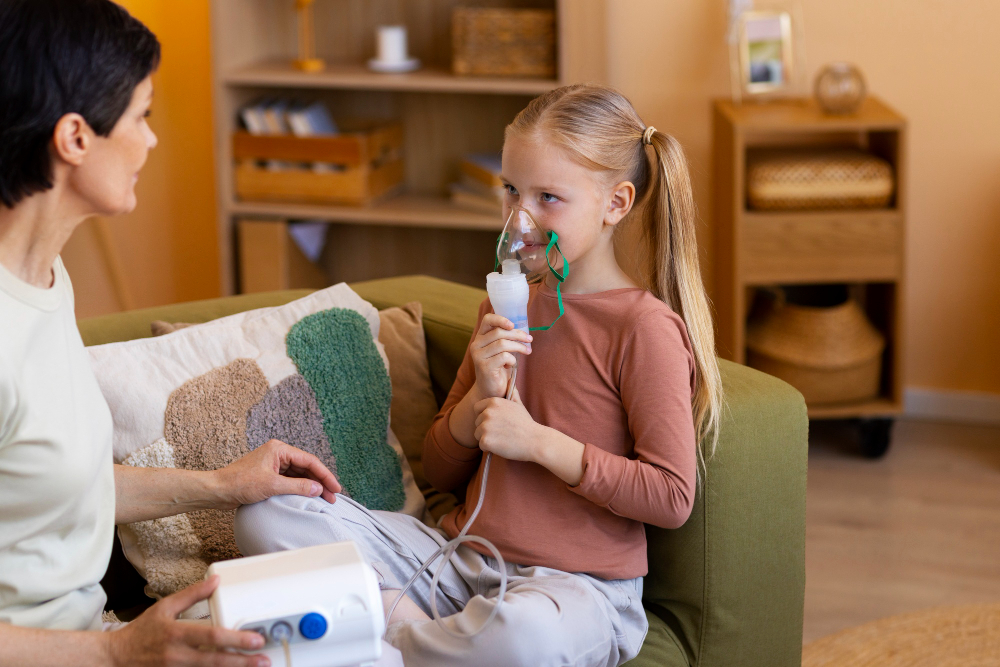
Nebulization therapy in children is a common way to help kids breathe easier when they have certain lung or airway problems. Many parents hear about pediatric nebulizer use or breathing treatments for kids, but may not know when or why these are needed. In this blog, you will learn what nebulization therapy is, when doctors recommend it, and how it can help your child. What Is Nebulization Therapy? Nebulization therapy is a treatment that turns liquid medicine into a fine mist. Because of this, children can breathe the medicine directly into their lungs. Usually, a small machine called a nebulizer is used. It is often called a breathing machine for kids. The mist helps deliver medicine quickly and gently, especially for young children who may not use inhalers well. When Is Nebulization Therapy Needed in Children? Doctors may suggest nebulization therapy for children in several situations. For example, it is often used when a child: Has asthma or wheezing Is struggling with a bad cough or chest tightness Has a lung infection, such as bronchiolitis Needs help clearing mucus from the airways Cannot use an inhaler properly due to age or illness Sometimes, children with chronic lung problems need regular nebulization. However, always follow your doctor’s advice before starting any breathing treatment for kids. Why Is Nebulization Therapy Used for Kids? Nebulization therapy is used for kids because it is gentle and easy. Unlike inhalers, nebulizers do not need strong breaths. Instead, children can breathe normally while the machine works. This makes it helpful for babies and toddlers. Also, it can deliver medicine deep into the lungs, which is important for treating asthma or other breathing problems. How Does Nebulization Therapy Work? First, a doctor prescribes the right medicine and dose. Next, the medicine is placed in the nebulizer cup. Then, the machine turns the liquid into a mist. Your child breathes in the mist through a mask or mouthpiece. Usually, a session lasts about 10 to 15 minutes. During this time, your child should sit calmly and breathe slowly. Benefits and Risks of Nebulization in Children Nebulization therapy offers many benefits for children. For instance, it: Delivers medicine directly to the lungs Works well for young children and babies Can be used at home or in the hospital Helps relieve symptoms quickly However, there are some risks. Sometimes, children may have mild side effects, such as: Coughing or throat irritation Fast heartbeat (rare) Shakiness or nervousness According to the CDC and pediatric journals, serious side effects are rare when used as directed. Still, always talk to your doctor if you notice anything unusual. How to Prepare Your Child for Nebulization Getting your child ready for nebulization can make the process smoother. Here are some tips: Explain the process in simple words Show the machine and let your child touch it Let your child choose a favorite toy or book for comfort Stay calm and supportive during the session Sometimes, playing gentle music or singing can help your child relax. Tips for Safe and Effective Nebulization at Home For safe and effective nebulization therapy at home, follow these steps: Wash your hands before handling the machine Use the correct medicine and dose as prescribed Clean the nebulizer parts after each use Replace filters and tubing as needed Keep your child seated and calm during treatment Watch for any side effects or changes in breathing Always keep emergency contact numbers handy, just in case. Prevention and When to Consult a Pediatrician While nebulization therapy helps manage symptoms, prevention is important. For example, keep your child away from smoke and dust. Encourage hand washing to prevent infections. Make sure your child gets all recommended vaccines. If your child has frequent breathing problems, talk to your pediatrician. You should also consult a doctor if: Your child’s symptoms get worse There is no improvement after treatment Your child has trouble breathing or turns blue Early medical care can prevent serious problems and keep your child healthy. Conclusion Nebulization therapy in children can be a safe and helpful way to treat breathing problems. However, every child is different. Consult a pediatrician at Care Well Hospital for personalized advice on nebulization therapy for your child.
Understanding Newborn Reflexes: What Parents Need to Know

Introduction to Newborn Reflexes Newborn reflexes are natural movements that babies show soon after birth. These reflexes help babies survive and grow. For example, they help babies eat, move, and react to the world. Because newborn reflexes are important signs of healthy brain and nerve development, doctors check them during check-ups. In fact, knowing about these reflexes can help parents feel more confident as they care for their baby. Common Types of Newborn Reflexes Babies are born with several key reflexes. Each one has a special purpose. Below are the most common types of newborn reflexes: Moro Reflex (Startle Reflex): When a baby hears a loud sound or feels a sudden movement, they spread their arms and legs, then bring them back in. This reflex helps protect the baby. Rooting Reflex: If you touch your baby’s cheek, they turn their head toward the touch and open their mouth. This helps them find the breast or bottle for feeding. Sucking Reflex: When something touches the roof of your baby’s mouth, they start to suck. This is key for feeding. Grasp Reflex: If you place your finger in your baby’s palm, they will grip it tightly. This reflex shows strong hand muscles. Stepping Reflex: When you hold your baby upright with their feet touching a surface, they make walking motions. This does not mean they are ready to walk, but it shows healthy leg movement. Babinski Reflex: If you stroke the sole of your baby’s foot, their big toe bends back and the other toes fan out. This is normal in newborns. Baby Reflexes Timeline: When Do Newborn Reflexes Disappear? Each newborn reflex appears and fades at a certain age. Knowing the baby reflexes timeline helps parents track healthy growth. Here is a simple guide: Moro Reflex: Appears at birth and fades by 4 to 6 months. Rooting Reflex: Starts at birth and disappears by 4 months. Sucking Reflex: Present at birth and becomes a voluntary action by 2 to 4 months. Grasp Reflex: Seen at birth and fades by 5 to 6 months. Stepping Reflex: Shows at birth and disappears by 2 months. Babinski Reflex: Present at birth and usually fades by 12 to 24 months. However, every baby is unique. Some reflexes may fade a little earlier or later. If you have concerns, it is best to ask your pediatrician. Normal vs. Abnormal Newborn Reflexes Most newborn reflexes are easy to spot. They should be the same on both sides of the body. For example, both arms should move during the Moro reflex. Normal reflexes are quick and even. But, if a reflex is missing, weak, or lasts too long, it may signal a problem. Sometimes, reflexes that do not fade on time can point to nerve or brain issues. Also, if only one side of the body reacts, it is important to tell your doctor. When to Consult a Pediatrician While most reflexes are normal, some signs mean you should see a doctor. For example, contact your pediatrician if: Your baby does not show a reflex that should be present for their age Reflexes are much stronger or weaker than expected Reflexes last longer than the usual timeline Only one side of the body responds Your baby seems very stiff or floppy Early care can help if there is a problem. Therefore, do not wait if you notice anything unusual. Tips for Parents: Observing and Supporting Healthy Reflex Development Parents play a key role in watching their baby’s reflexes. Here are some tips to help: Gently touch your baby’s cheek or palm to see their rooting or grasp reflex Watch your baby’s movements during feeding and play Keep regular check-ups with your pediatrician Give your baby safe tummy time to build strong muscles Note any changes and share them with your doctor Above all, remember that every baby develops at their own pace. Still, knowing what to expect can help you feel prepared. Conclusion Newborn reflexes are a natural part of your baby’s early life. They show healthy growth and help your doctor check your baby’s development. If you notice anything unusual or have questions, consult a pediatrician at Care Well Hospital for personalized advice about your baby’s reflexes.
Neonatal Sepsis: Causes, Symptoms, Diagnosis, and Treatment in Newborns
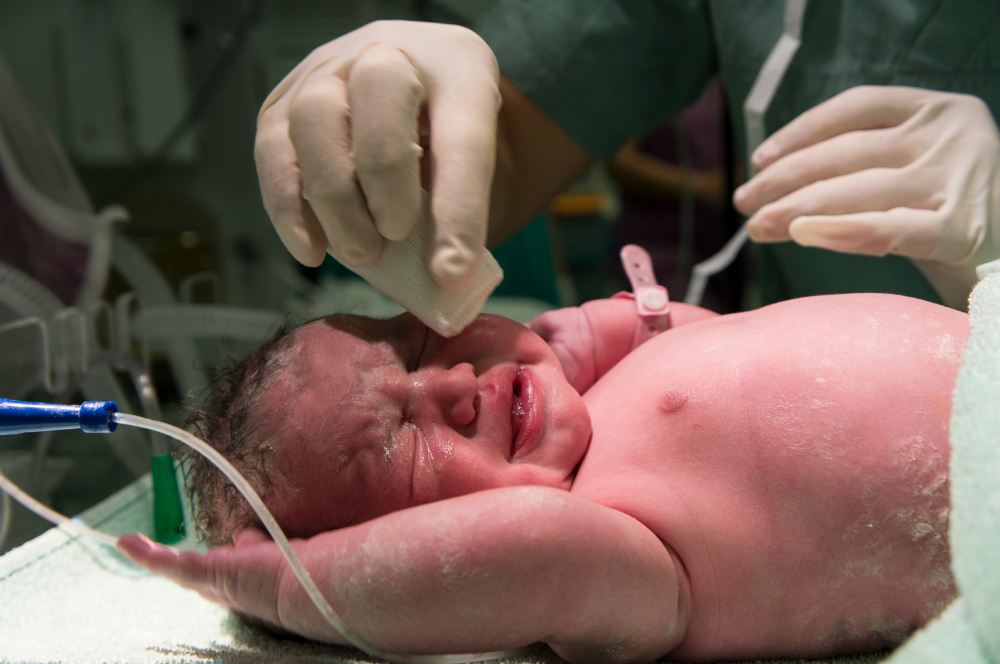
What is Neonatal Sepsis? Neonatal sepsis is a serious infection in newborns. It happens when bacteria, viruses, or fungi enter a baby’s blood. Because newborns have weak immune systems, they are more at risk. Early detection is important, as neonatal sepsis can become life-threatening if not treated quickly. Parents and caregivers should know the signs and seek help right away. Common Causes of Neonatal Sepsis Many germs can cause neonatal sepsis in newborns. Often, these germs come from the mother during birth or from the environment after delivery. For example, some babies get infected while still in the womb, while others get sick after birth. The most common causes include: Bacteria: Group B Streptococcus, Escherichia coli (E. coli), and Listeria Viruses: Herpes simplex virus, enteroviruses Fungi: Candida species, especially in premature babies Additionally, babies born early or with low birth weight have a higher risk. If the mother had an infection during pregnancy, the risk also increases. Signs and Symptoms in Newborns Early signs of sepsis in babies can be hard to spot. However, knowing what to look for can save lives. Watch for these symptoms: Fever or low body temperature Poor feeding or refusing to eat Fast or slow breathing Sleepiness or less activity than usual Yellow skin or eyes (jaundice) Pale or blotchy skin Vomiting or diarrhea Unusual crying or irritability Sometimes, symptoms appear within the first few days. Other times, they develop later. Therefore, always watch for changes in your baby’s behavior or health. How Neonatal Sepsis is Diagnosed Doctors use several tests to diagnose neonatal sepsis in newborns. First, they check the baby’s symptoms and medical history. Next, they may order tests such as: Blood tests to look for infection Urine tests to check for germs Spinal fluid tests (lumbar puncture) to rule out meningitis Chest X-rays if breathing problems are present Because early treatment is vital, doctors may start antibiotics before test results are ready. This approach helps protect the baby while waiting for answers. Treatment Options for Neonatal Sepsis Treatment for neonatal sepsis begins as soon as doctors suspect an infection. Usually, babies receive antibiotics through a vein. In some cases, antiviral or antifungal medicines are needed. Additionally, doctors may give fluids, oxygen, or other support if the baby is very sick. Most babies stay in the hospital for close monitoring. With early care, many newborns recover well. Prevention Tips for Parents While not all cases can be prevented, parents can take steps to lower the risk of sepsis in infants. Consider these tips: Attend all prenatal check-ups Get tested for infections during pregnancy Practice good hand hygiene before touching your baby Keep the baby’s environment clean Breastfeed if possible, as breast milk boosts immunity Follow your doctor’s advice about vaccines and screenings Moreover, if you notice any signs of illness, seek help right away. When to Seek Medical Help If your newborn shows any early signs of sepsis, act quickly. For instance, if your baby has trouble breathing, is very sleepy, or refuses to eat, call your doctor. Even mild symptoms can become serious fast. Therefore, never wait if you are worried about your baby’s health. Early treatment saves lives. If you suspect neonatal sepsis, consult a pediatric specialist at Care Well Hospital immediately for expert care.
Meconium Aspiration Syndrome in Newborns: Causes, Symptoms, Diagnosis, and Treatment
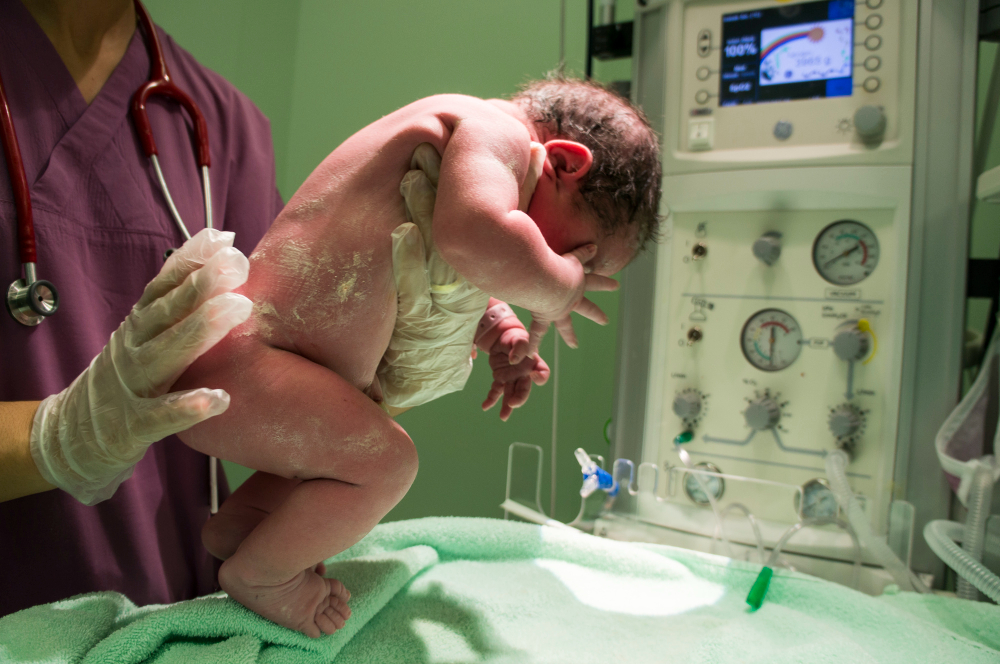
Meconium aspiration syndrome is a serious breathing problem that can affect newborns. It happens when a baby breathes in meconium, which is the first stool, before or during birth. Because this condition can cause trouble with breathing, it is important for parents to know the signs and seek help quickly. In this blog, we will explain what meconium aspiration syndrome is, its causes, symptoms, diagnosis, and treatment. We will also share tips for prevention and answer common questions about this birth complication. What is Meconium Aspiration Syndrome? Meconium aspiration syndrome, often called MAS, is a condition that affects some newborns. It occurs when a baby breathes in a mix of meconium and amniotic fluid into the lungs before, during, or right after birth. Meconium is the thick, greenish-black stool that babies pass for the first time. Usually, babies pass meconium after birth. However, sometimes stress during labor causes a baby to release meconium before birth. If the baby then inhales this mixture, it can block the airways and make it hard to breathe. This can lead to serious newborn breathing problems and may require special neonatal care. Causes of Meconium Aspiration Syndrome There are several reasons why a newborn might develop meconium aspiration syndrome. Understanding these causes can help parents and caregivers take steps to lower the risk. Common causes include: Fetal distress: When a baby is stressed during labor, it may pass meconium into the amniotic fluid. Post-term pregnancy: Babies born after 40 weeks are more likely to pass meconium before birth. Long or difficult labor: Prolonged labor can increase the risk of meconium release. Maternal health problems: Conditions like high blood pressure or diabetes in the mother can raise the risk. Low oxygen levels: If the baby does not get enough oxygen before or during birth, meconium may be passed early. Symptoms and Signs Parents should watch for these symptoms and signs of meconium aspiration syndrome in newborns: Fast or difficult breathing Grunting sounds while breathing Bluish skin color, especially around the lips or face Flared nostrils Chest retractions (skin pulls in between the ribs when breathing) Weak cry or limpness Diagnosis Doctors use several methods to diagnose meconium aspiration syndrome. First, they check the baby’s breathing and skin color right after birth. If the baby shows signs of trouble, the doctor may listen to the lungs with a stethoscope. In addition, a chest X-ray can help show if meconium is in the lungs. Sometimes, doctors use blood tests to check oxygen levels. Early diagnosis is important because it helps start treatment quickly and reduces the risk of complications. Treatment Options Treatment for meconium aspiration syndrome depends on how severe the symptoms are. Most babies need special care in a neonatal intensive care unit (NICU). Common treatments include: Oxygen therapy to help the baby breathe easier Suctioning the airways to remove meconium, if needed Mechanical ventilation (a breathing machine) for severe cases Antibiotics to prevent or treat infection Supportive care, such as keeping the baby warm and monitoring vital signs With prompt treatment, most babies recover well. However, some may need longer care if breathing problems continue. Prevention and Parental Guidance While not all cases can be prevented, there are steps parents and healthcare providers can take to lower the risk of meconium aspiration syndrome: Attend regular prenatal check-ups to monitor the baby’s health Report any changes in the baby’s movements to your doctor Follow your doctor’s advice for managing health conditions like high blood pressure or diabetes Discuss birth plans and possible risks with your healthcare team Ensure skilled medical staff are present during delivery, especially if the pregnancy is post-term or high-risk By staying informed and working closely with your healthcare provider, you can help protect your newborn from birth complications. When to Seek Medical Help If your newborn shows any signs of breathing problems, seek medical help right away. Warning signs include: Fast or labored breathing Bluish skin or lips Weakness or limpness Poor feeding or lack of interest in feeding Early treatment can prevent serious complications and help your baby recover faster. Never hesitate to contact your doctor if you are worried about your baby’s health. Frequently Asked Questions (FAQs) Can meconium aspiration syndrome be cured? Yes, with prompt treatment, most babies recover fully from meconium aspiration syndrome. However, some may need extra care in the hospital for a few days or weeks. Is meconium aspiration syndrome common in the United States? Meconium aspiration syndrome affects about 2 to 5 out of every 1,000 newborns in the United States, according to the CDC. It is more common in post-term and high-risk pregnancies. Does meconium aspiration syndrome cause long-term problems? Most babies do not have long-term problems if they receive quick and proper treatment. In rare cases, severe cases can lead to ongoing breathing issues, but this is uncommon. How can I lower my baby’s risk? Regular prenatal care, managing health conditions, and delivering in a well-equipped hospital can help lower the risk of meconium aspiration syndrome. What should I do if I notice symptoms at home? If your newborn has trouble breathing, turns blue, or seems weak, seek emergency medical care right away. Quick action can save your baby’s life. If you suspect your newborn may have meconium aspiration syndrome, consult a pediatric specialist at Care Well Hospital for personalized care and guidance.